Tabla de Contenido
- Understanding Heatmap Analytics in E-commerce
- How Heatmaps Contribute to E-commerce Optimization
- Types of Website Heatmaps You Should Be Using
- How to Use Heatmaps in E-commerce
- Choosing the Best Heatmap Tools for Ecommerce Optimization
- Effective Strategies for Improving Ecommerce Conversions with Heatmaps
- Common Mistakes to Avoid When Using Heatmap Tools for Ecommerce
- FAQs on Ecommerce Heatmap Analytics
Understanding Heatmap Analytics in E-commerce
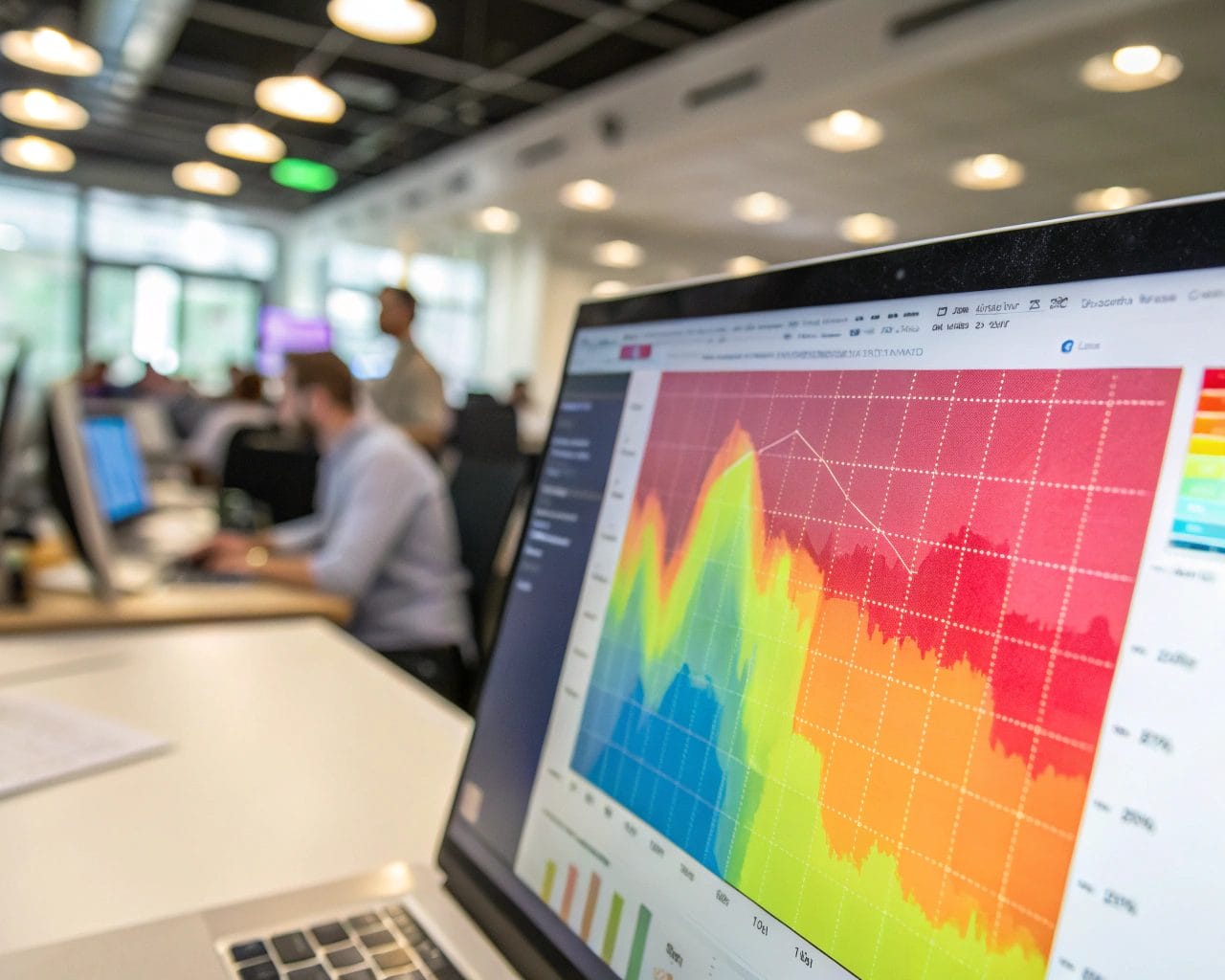
If you’re looking to improve ecommerce conversions, understanding heatmap analytics is a smart place to start. Heatmaps process user interaction data into visual maps, letting you see exactly where visitors click, scroll, and focus their attention on your site. For anyone serious about e-commerce optimization, knowing what areas get noticed and which ones are ignored can directly impact how well your site performs.
Whether it’s understanding why a product page doesn’t convert or why users abandon the cart at checkout, heatmap tools for ecommerce provide a layer of clarity other analytics can’t match. These insights allow you to make tactical design and UX decisions supported by behavior-driven data, leading to effective conversion rate optimization.
How Heatmaps Contribute to E-commerce Optimization
When you’re running an online store, every small interaction on your webpage carries a signal from your users. Heatmap analytics help you decode these signals.
Let’s say your call-to-action button is in the wrong place, or your image carousel distracts from the “Add to Cart” section. Instead of guessing, a website heatmap shows exactly what’s being clicked and what’s not. This type of user behavior tracking shortens the feedback loop and lets you optimize in real-time.
Specific use cases include:
- Identifying poor-performing banners or messages.
- Spotting parts of webpages visitors never reach.
- Monitoring engagement during limited-time promotions.
- Comparing product page layout effectiveness across devices.
Optimizing based on these insights leads to better ecommerce UX improvement, reduced bounce rates, and higher checkout completions.
Types of Website Heatmaps You Should Be Using
To get the full picture of your store’s performance, don’t rely on one type of heatmap. Each format reveals different actions:
- Click Tracking Maps
Show where users are clicking. Great for understanding engagement with buttons, links, and images. - Scroll Maps
Reveal how far users scroll down a page. This tells you if key information or CTAs are placed too low. - Move Maps
Track mouse movement patterns. Useful for approximating attention focus, especially on desktop versions. - Session Replays
Though not a heatmap per se, these complement heatmaps by showing real-time playbacks of users’ journeys.
Together, these tools provide a comprehensive ecommerce heatmap analytics guide, helping you make smarter decisions based on actual customer interactions.
How to Use Heatmaps in E-commerce
Start by integrating a reliable analytics suite like SimplifyAnalytics that includes heatmap analytics, scroll tracking, and session replays. Then follow this workflow:
- Choose Key Pages to Analyze
Focus on homepages, product listings, product detail pages, and checkout sequences. - Analyze Click Data for Optimization Opportunities
Look for unclicked buttons, navigational dead ends, and hotspots disconnected from your user funnel. - Combine Scroll Maps with Conversion Data
If users aren’t reaching your CTA, it’s time to test new layout or CTA positioning. - Conduct A/B Tests Backed by Heatmap Evidence
Use different design elements and see how behavior shifts segment by segment. - Regularly Review and Update Based on Trends
User behavior changes over time. Keep your analytics fresh and repeat evaluations every few weeks.
By doing this consistently, you improve customer journey analysis and make measurable progress in optimizing online stores with heatmaps.
Choosing the Best Heatmap Tools for Ecommerce Optimization
There are several analytics services offering heatmap functionality, but few deliver on speed, privacy, and ease-of-use like SimplifyAnalytics. Here’s how it stands out:
- Session Replays to watch real user experience.
- Heatmaps for all standard interactions—clicks, scrolls, movement.
- Privacy-first design, so you stay compliant with GDPR, CCPA, and PECR.
- Lightweight Mode with less than 6kB tracking script and cookie-free operation.
Choosing the best heatmap tools for ecommerce optimization means favoring usability, ethical tracking, and actionable data. Many platforms require GDPR consent; SimplifyAnalytics bypasses this by offering consent-free tracking in lightweight mode—a huge plus if you’re running international stores.
Effective Strategies for Improving Ecommerce Conversions with Heatmaps
Don’t stop at data collection—act on it. Here’s how to use heatmap insights to encourage purchases:
- Move Essential Info Above the Fold: Scroll maps often reveal that half your audience never sees content below the fold. Shift key elements like CTAs and testimonials higher.
- Remove or Modify Distraction Points: If users keep clicking non-interactive design areas, reduce clutter.
- Better Visual Hierarchy: Click maps show if users are ignoring cart or “Buy Now” buttons—test size, color, and placement.
- Improve Mobile UX: Tap zones can be misleading if not optimized for devices. Review mobile-specific heatmaps regularly.
- Refine Product Descriptions and Photos: Scroll and movement data can signal if users hesitate or lose interest mid-page.
These strategies directly support conversion rate optimization by refining inputs based on real user behavior.
Common Mistakes to Avoid When Using Heatmap Tools for Ecommerce
Even with the best tool, impactful outcomes depend on avoiding frequent missteps:
- Focusing on Visual Data Without Context: Always relate heatmap visuals to funnel performance metrics.
- Ignoring Mobile Data: Separate heatmaps for mobile and desktop are necessary. Mobile experience often differs completely.
- Drawing Conclusions From Limited Sessions: Larger session samples ensure statistical relevance.
- Not Prioritizing High-impact Pages: Start with pages that influence revenue—product pages, checkout, and homepage.
- Overreacting to Every Color Gradient: Gradual variations are normal. Focus on clear patterns that impact user flow.
Avoiding these traps ensures you get functional insights from your ecommerce heatmap analytics guide and avoid wasting time or investment.
FAQs on Ecommerce Heatmap Analytics
What is the best heatmap tool for ecommerce?
SimplifyAnalytics offers a privacy-first and user-friendly platform ideal for ecommerce sites, with heatmaps, session replay, and consent-free tracking features.
How do heatmaps help in ecommerce optimization?
They help you understand user behavior, identify friction points in your layout, and improve UX for better conversion rates.
Are scroll maps useful for online stores?
Yes, they show whether users see key selling points or CTAs, helping you reposition elements for higher visibility and engagement.
What pages should I track with heatmaps on my ecommerce site?
Start with high-traffic pages like the homepage, best-selling product pages, the shopping cart, and checkout.
Do I need user consent to use heatmaps with SimplifyAnalytics?
In Lightweight Mode, no consent is required as it avoids using cookies and stays compliant with major privacy regulations.
Try Heatmaps to Optimize Your Online Store
If you’re serious about ecommerce UX improvement and increasing your conversion rates, heatmap analytics is no longer optional. Start using SimplifyAnalytics to take control of your user behavior data without compromising on speed or privacy. Visit getsimplifyanalytics.com and choose an analytics plan that fits your business stage. Better insights mean better decisions—and better store performance.
References
- Dynamic Heatmaps: Improve Your eCommerce Pages | VWO
- 8 Best Heatmap Tools to Optimize Landing Pages and Conversion | Landingi
- What Are Heat Maps? A Guide to Heatmaps & How to Use Them | Contentsquare
- Top 10 Best Heatmap Tools for Websites (Free and Paid) | Omniconvert
- 16 Ways to use Heatmaps & Analytics for eCommerce CRO | Vital Design